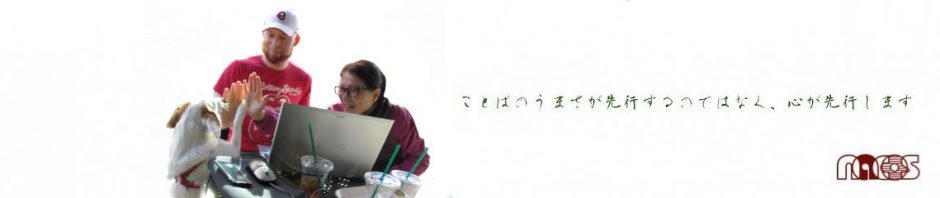
近くの喫茶店で…
ハープの音色で癒やされましたぁ。。。
I traveled to Thailand last year with some friends. We went to BKK, Koh Samui and Phuket. All were amazing places full of great food, beaches, Thai culture and amazing things to see. You can find cheap guest houses for as little as $7 USD per night. Hotels start at around $33 USD and go up from there. The big resorts on the islands start at $50 per night for a room on the beach. But prices change depending on the season. Oct – March is usually the high tourist season and the price of everything goes up but its still very affordable.
Our first day there we opted to catch the train from the airport to BKK. The taxi drivers will assume you are stupid and try to take advantage of you and ask for what seems to be a low price for people from the U.S or Japan but is actually very high for Thailand. I was tired from my flight so I didnt feel like haggling with the taxi drivers so we got the train. Which is very easy to use by the way. If you do decide to use a taxi negotiate the price from the airport to your hotel in BKK before you get in the car. If they are asking you for 1000 baht or more walk away. It shouldn’t cost more than 500 baht or so to get from the airport to most hotels in BKK. That is including the road tolls.
The food is great in Thailand but beware. Some foods are extremely spicy. Street food is very cheap and I loved trying it all. How ever I would advise people not to eat street food from vendors that have food that looks like its been sitting out all day. Be particularly mindful of seafood that is not on ice. You dont want to get sick and send your vacation in your bed or in the hospital.
Traveling in BKK is very easy they has a skyline called BTS and a subway called the MTS that can get you almost anywhere you want to go in the city cheaper and faster than a taxi during peak run hours. Traffic in BKK is horrible and you have to take extra care crossing the street.
Near Khao San are many ancient temples as well as a huge shopping district. The easiest way the get there is by catching the MTS subway line and riding it to the very last stop. From there you can get a taxi the rest of the way for about $2 dollars or you can just walk. Taxi drivers like to try and go on detours and charge you extra money or they will offer you and very low fair but wont take you directly to where you ask. Instead they will try and take you to some merchant who sells suits, jewelry, tours or something. These merchants give the taxi drivers gasoline coupons for bringing in customers and they also give the taxi drivers a commission if you buy something in the shops. Don’t thing you are getting a good deal. The shop owners charge you more to cover the commission they give to the taxi driver.
If you want to learn how to make real Thai food there are lot of cooking school you can go to that are fun and easy. I went to two different schools in Silom both were very affordable. Only 1000 baht which is about 35 dollars. Class started at 9am with a tour of the local Thai market where we shopped for ingredients and our guide explained how to tell if things were fresh and how other things were made. It was very interesting. I think i liked buying snacks from vendors and tasting strange looking fruit the most. After that we all went to the school where we prepared and cooked a full meal. After the cooking the best part happens. THE EATING!!!!! hahahahaha all the students get to sit down and enjoy the food they made. The Silom cooking school and the Somphong cooking school are on the same road but they each teach different styles of thai cooking. I enjoyed my time and both.


people I saw at the floating market


今月もグリーンライフ湘南という福祉施設で、ヴァイオリンコンサートをして参りました。
クラシックの小品や映画音楽、日本の歌などを、ひとりで一時間弾きました。
聞き覚えのある曲では、ヴァイオリンのメロディーを口ずさんでいるのが聞こえてきました。
また、日本のメロディーでは、皆さん大きな声で歌っていました。
そうなると私もつい、ひとりでオーケストラのように弾いておりました。
この次は、漫才のようなおしゃべりで笑わせたくなりました。
ヴァイオリンを手に漫才もいいかもしれません。パートナーがみつかるでしょうか?
Let me tell you about these pictures. I went to a nursing home called Green Life Shonan for a violin concert again this month. I gave a solo performance for one hour. I played classical violin music, famous movie music, and Japanese songs. Some violin music was familiar to the audience, so I listened to their humming while I was playing. Also, when I played melodies of Japanese songs, they enjoyed singing aloud, which was nice. I tried to imitate an orchestra while they sang. It would be fun if I could act like a comedian next time…maybe I should find a partner for a comic duo?
Michiko Nakamura


演奏を終えて、最後に、グリーンライフ湘南の明るい職員の皆さんと。

cold dark nights
consumed by warmth
blooming flowers
ゆるゆると春の息吹や花の歌
ゆるゆると はるのいぶきや はなのうた
This has been a long winter season. Normally we would get warm weather beginning in March, but this year the weather didn’t start warming up until early April. Slowly but surely, winter is beginning to turn into spring. You can see hints of it everywhere. The flowers are beginning to bloom and the birds’ songs welcome the morning light.
今年の冬は長い冬でした。メリーランド州では、いつも、3月の初めには暖かくなります。ところが、今年は、4月に入っても暖かくなりませんでした。しかし、ゆっくり、確実に、冬から春へ変化しています。今、誰でも、どこでも、春の息吹を感じることが出来ます。花々が咲き始めています。そして、朝の光を求めて、鳥のさえずりが始まります。
– Olivia Trevino
– Japanese by Nakamura Michiko
 オリビア
買い物は生みたて卵富士臨む
かいものは うみたて たまご ふじのぞむ
shopping trip
buying fresh eggs
below Mt. Fuji
– Nakamura Michiko

スイス在住のヴァイオリニスト赤木さんが住んでいる村です。美しい春を迎えました。
まだ行ったことがありませんが、赤木さんの写真を見ているとこちらも嬉しくなります。
すぐにでも行きたくなりました!!
中村 「このあたりに住んでいますか?」
赤木 「みちこさん、右に見える村がボクの住んでいるタイリンゲンですよ~~」
中村 「ずぅっと先に、腰が曲がるころ、ヴァイオリンを持って遊びに行きますよ~~デュエットしましょう!」

Aloha Sensei,
I am enjoying reading my story with you in Japanese. I want to learn slowly and pronounce
Japanese words correctly. Mahalo (thank you) Aloha
A lot of people are stuck on the idea of 5-7-5 as the primary definition of what a haiku is. But those numbers come nowhere close to a real definition.
What’s more important than the numbers is the feel of the poem. Anyone who speaks both English and Japanese well and has read haiku in both languages can tell you that the English language, due to its extreme differences from Japanese, needs to follow a different set of guidelines to capture the feel of the haiku.
For example, 5-7-5 in Japanese represents a flow of short to long to short. Asymmetrical haiku also exist, but there are typically two short segments and one long segment. This concept is an integral part of the haiku, and shouldn’t change no matter what language it is written in. However, one needs to consider the features of a language before deciding exactly how to implement this flow. English is made of longer syllables laden with piles of consonants and vowel combinations, and the language thus uses fewer syllables to transmit information. It should be clear that an English haiku can achieve completion with fewer than 17 syllables. My haiku typically contain ten to fourteen.
One must consider the words available in a language as well. Many times I have been frustrated trying to translate my English haiku about coffee into Japanese. The Japanese word コーヒー is far more inconsiderate than its English counterpart and tends to push other words out. Once, I eliminated the word from the Japanese translation. The poem actually better captured the feel of the original without that word because I was better able to preserve the flow and the overall image I had originally created. In order to preserve the flow and the image in a haiku translation, reversing the order, changing the words, and changing the structure of a poem are all valid options.
Poems are always shaped by the language in which we write them. I hope you have begun to see how this effect is especially evident in the unique and difficult-to-emulate haiku.

travel late hungry
plane food gone sorry
water dulls pain
空腹や経費を削った深夜便
くうふく や けいひ を けずった しんやびん
About one year ago, I booked a flight on Hawaiian airlines in order to return to the mainland. I chose Hawaiian because they still provide food service on domestic flights. However, Hawaiian decided not to serve food on certain late night flights in order to save money. This was a recent policy change. I did not know that the rule changed so I didn’t eat dinner and showed up for my flight expecting to get food. There was a sign that said, “sorry, no food, go to the airport restaurant.” I went to the restaurant and there was a sign that said, “sorry, no food, only alcohol. If you want food, go talk to the airline.” In the end, I just bought a candy bar for the flight.
約一年前、私は、カンザスに帰る為に、ハワイアン航空の切符を予約しました。ハワイアン航空の国内線は、まだ、機内食を出していたからです。しかし、経費削減の為に、ハワイアン航空でも、いくつかの深夜便で食事を出さないことになっていました。これは、最近の規則の変更でした。私は、規則の変更を知りませんでした。私は、飛行機の中で食事が出ると思っていたので、夕食を食べないで空港に着きました。空港に着くと、貼り紙がありました。それには、「申し訳ありません。現在、機内で食事を出していません。空港にあるレストランをご利用ください。」と書いてありました。私は、そのレストランに行きました。しかし、そこにも別の貼り紙がありました。その貼り紙には、「申し訳ありません。食事は用意しておりません。アルコールだけです。食事をお望みの方は、航空会社に連絡してください」と書いてありました。結局、私は、お菓子だけ買って、飛行機に乗ることになりました。
– Ben Clark
– Japanese by Ben Clark & Nakamura Michiko


